
Blogs & Resources
MENTAL HEALTH ISN’T JUST WHAT HAPPENS IN SESSION

What Is EMDR Therapy? A Simple Guide to How It Helps You Heal
If you’ve heard of EMDR therapy and wondered what it actually is—or how it works—you’re not alone. EMDR stands for Eye Movement Desensitization and Reprocessing, and it’s a powerful, research-supported approach to helping people heal from trauma, anxiety, and distressing life experiences.

Building Healthy Coping Skills: Replacing What No Longer Serves You
We all develop coping strategies to deal with stress. Some are helpful, and some may work in the short term but cause problems long term (like avoidance, substance use, or shutting down emotionally).
The goal isn’t to judge your coping—it’s to expand your toolbox.
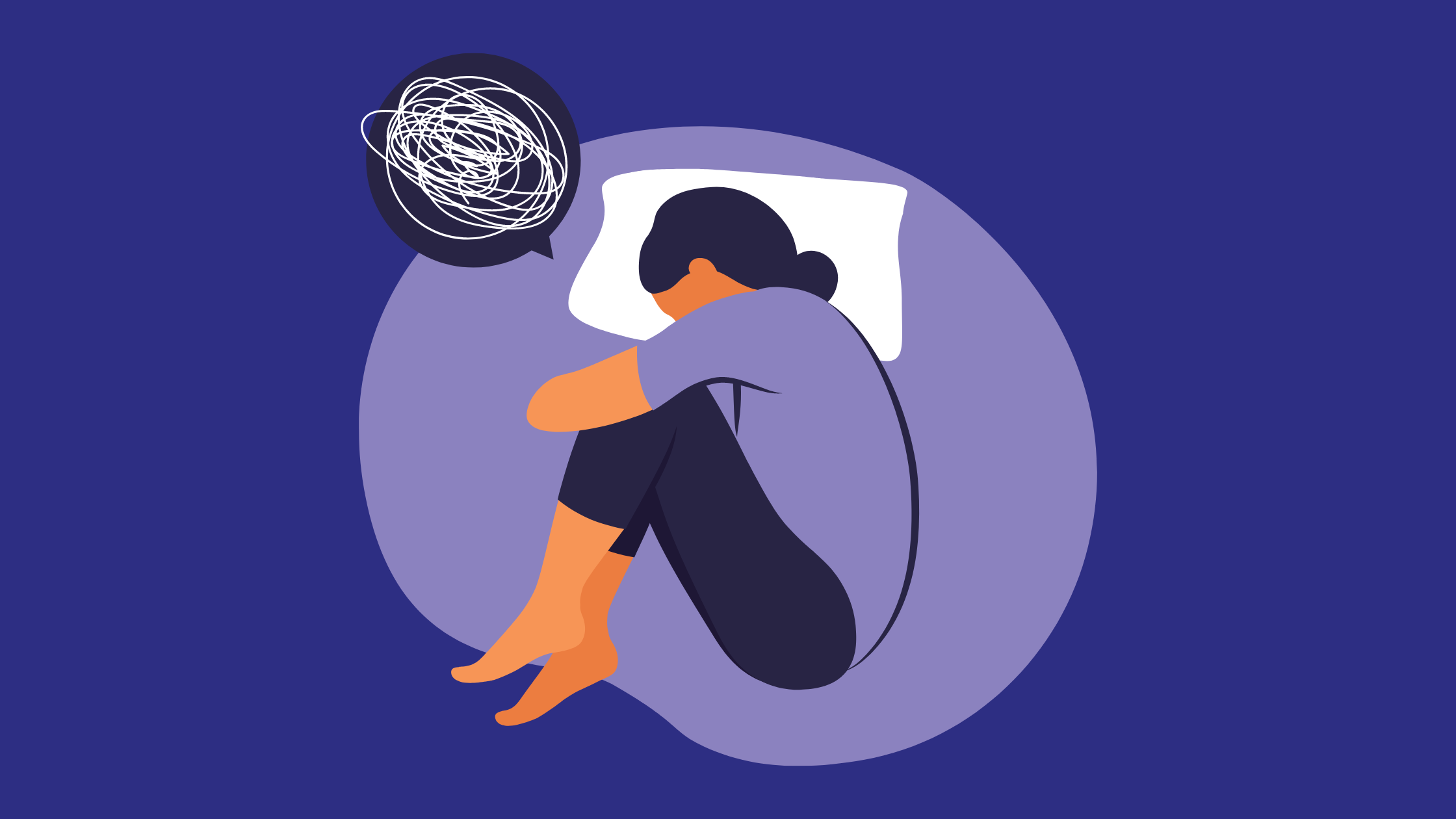
Trauma and the Body: Why You Feel “Stuck” and How to Begin Healing
Trauma isn’t just something that happened in the past—it’s something your body may still be holding onto.
When you experience trauma, your nervous system can get “stuck” in survival mode (fight, flight, or freeze). Even when you’re safe, your body may react as if you’re still in danger.
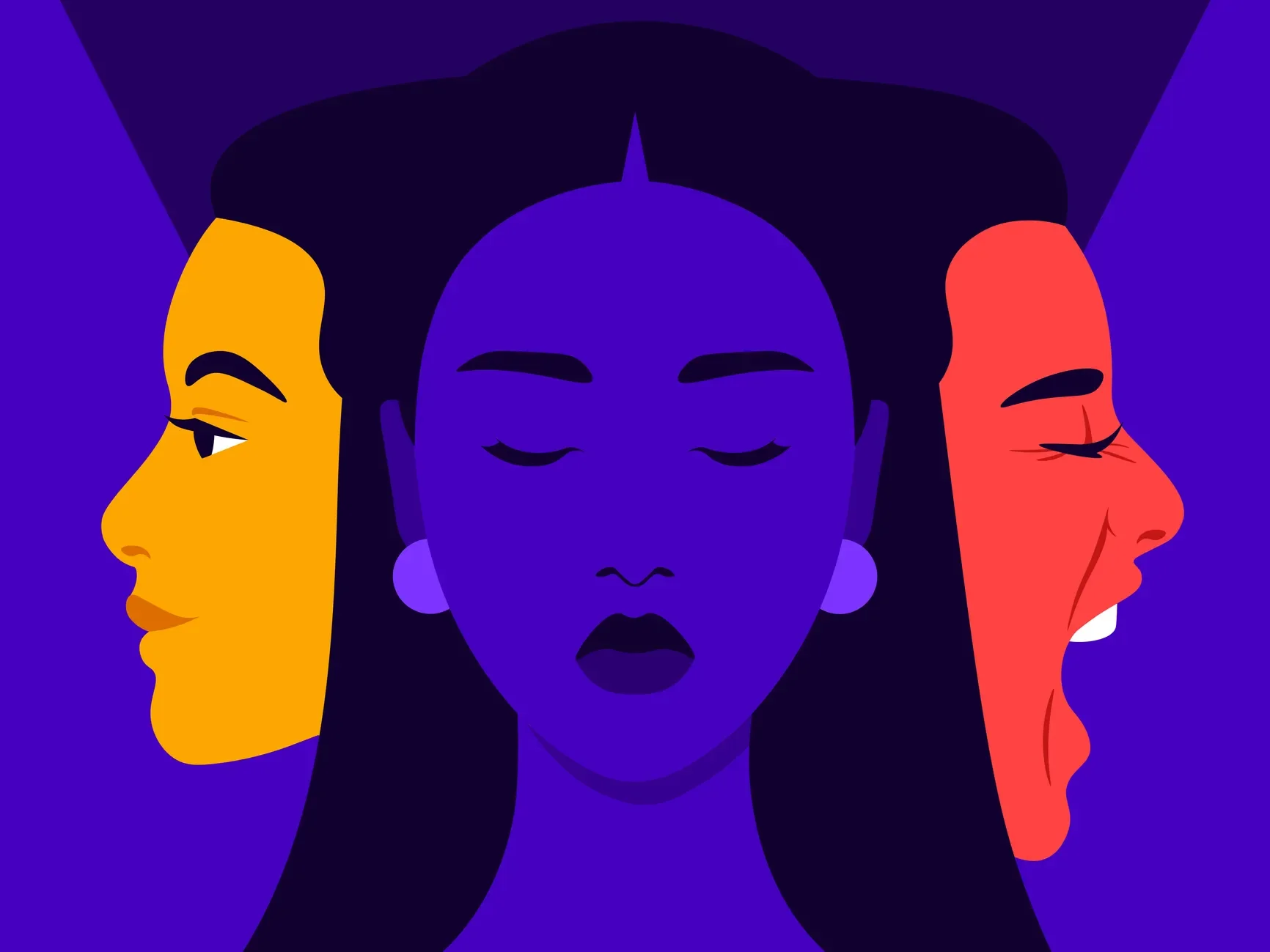
Emotional Regulation: How to Respond Instead of React
We all experience strong emotions—anger, sadness, frustration—but how we respond to them makes the difference.
Emotional regulation isn’t about suppressing feelings. It’s about recognizing them, understanding them, and choosing how to act.
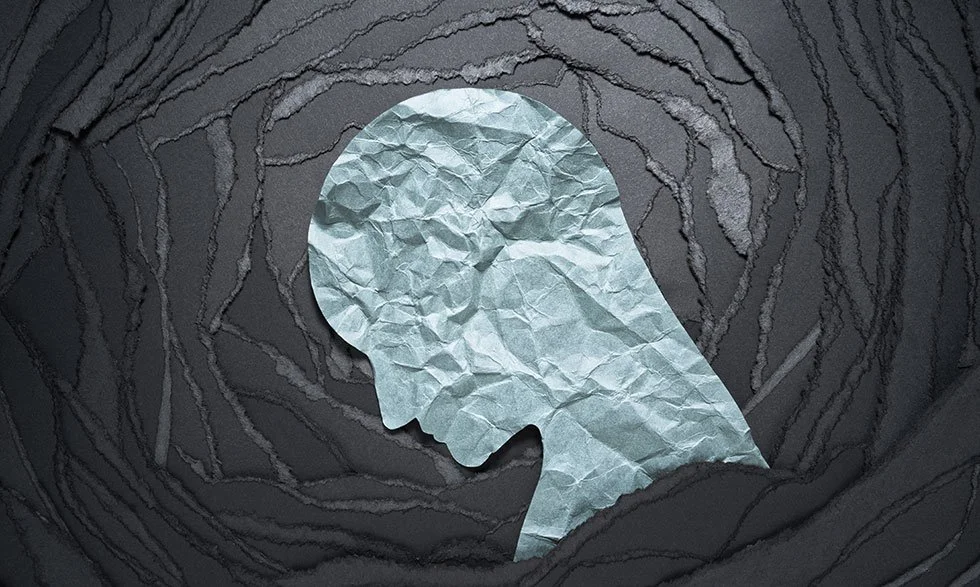
Understanding Anxiety: What’s Happening in Your Body and How to Calm It
Anxiety is not just “in your head”—it’s a full-body response. When your brain senses a threat (real or perceived), it activates your nervous system, releasing stress hormones like cortisol and adrenaline. This is what creates symptoms like a racing heart, shallow breathing, muscle tension, and racing thoughts.
The problem is that your brain doesn’t always distinguish between real danger and everyday stressors like work, relationships, or uncertainty.